
PLAYERS
1-8
CATEGORY
Horror Survival
EXPERIENCE TIME
15 Min

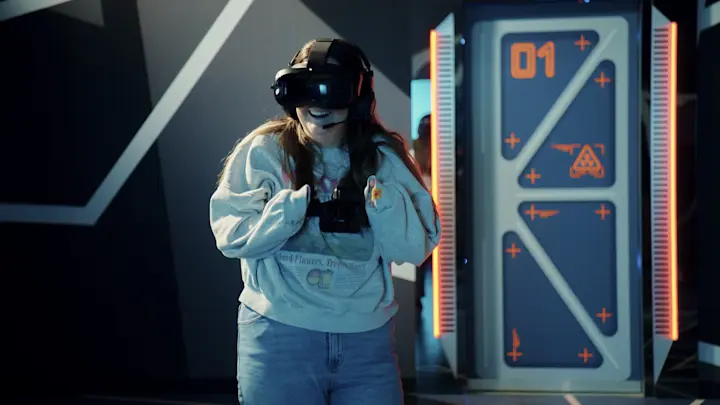
EXPERIENCE THE THRILL
There’s something for everyone
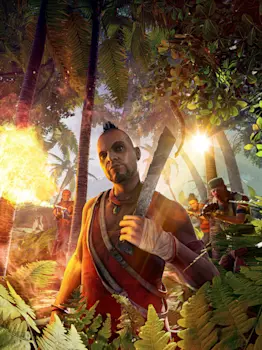
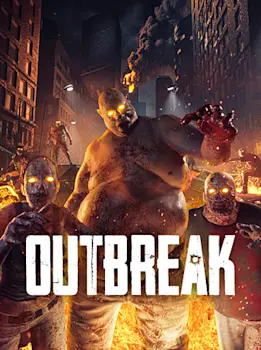


AWAKEN THE LEADER IN YOU
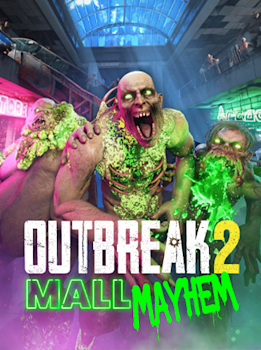
AWAKEN YOUR WILD SIDE
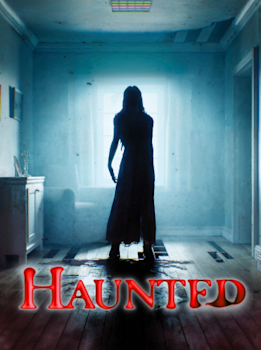
AWAKEN THE FEAR WITHIN

FAQs
What is Haunted?
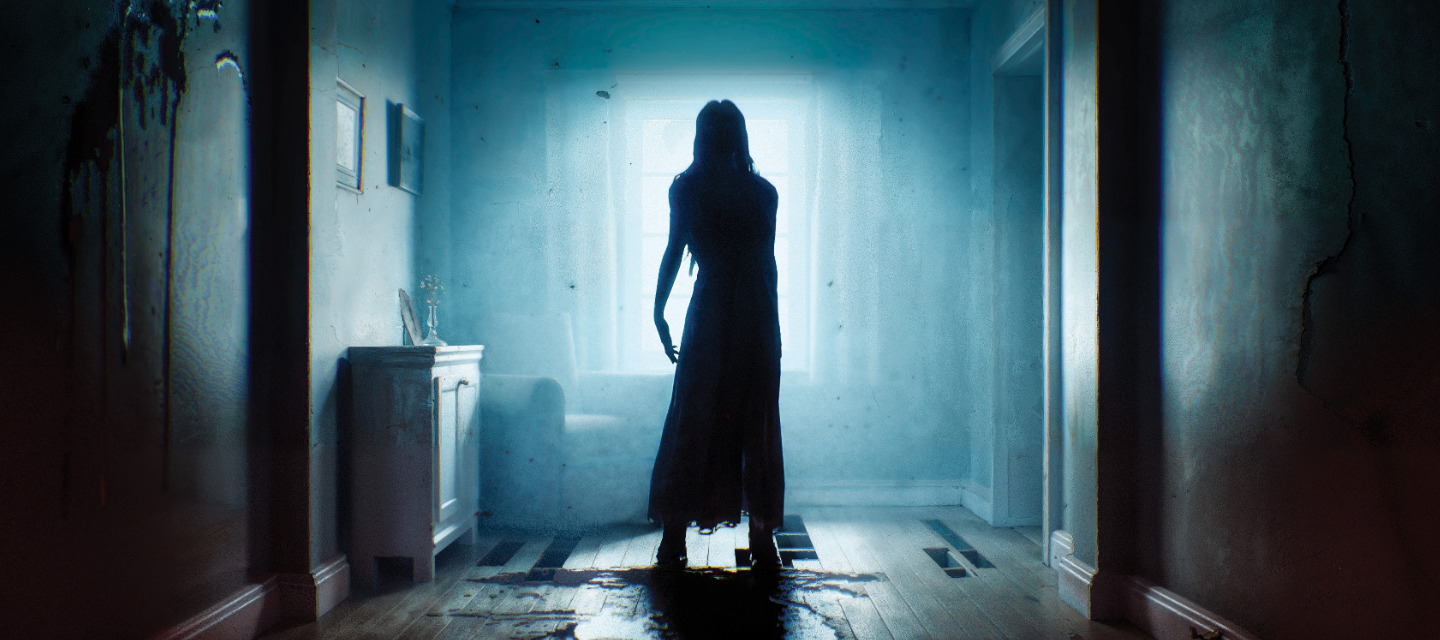
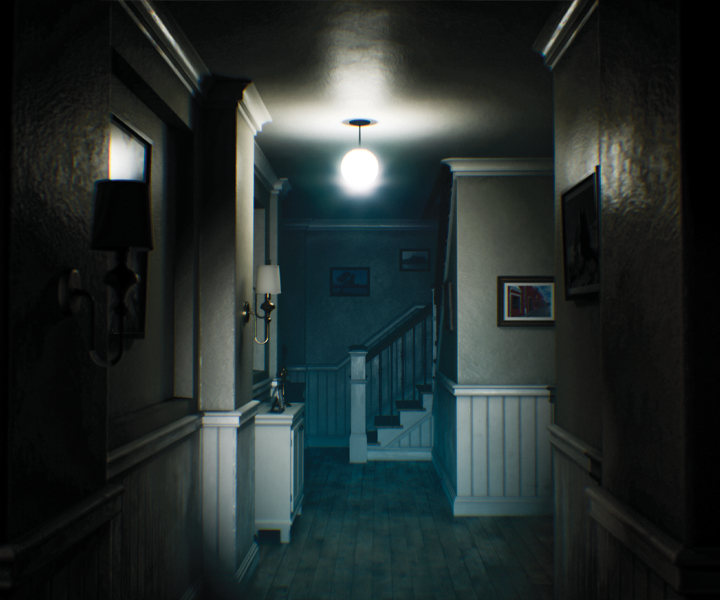
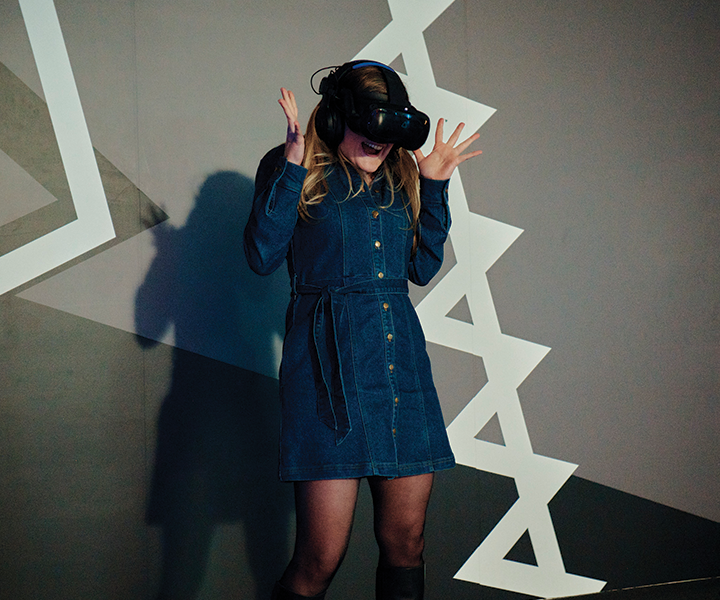
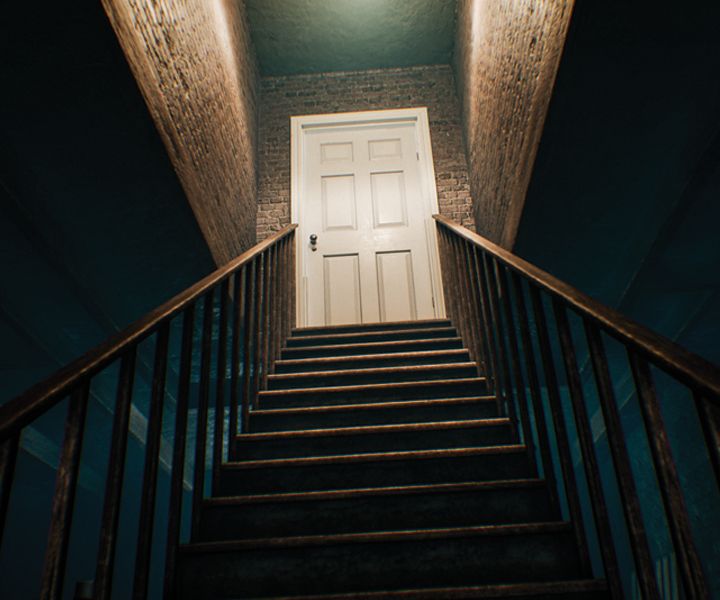
Haunted is Zero Latency VR's first full-body horror experience: an immersive, group-based journey through a shifting house that's trying to pull you apart. It's built to be genuinely intense, but the goal is a fun scare with your group, not a traumatic one. Full-body movement and 5K visuals mean it feels a lot closer than any horror experience you've played on a screen.
How long is the experience?
Plan for around 20 minutes total: a short briefing so you know how to move and what to expect, followed by roughly 15 minutes inside the house itself. Faster groups sometimes finish quicker, but don't count on it. Most first-timers take the full time to find their way through.
How many players can join?
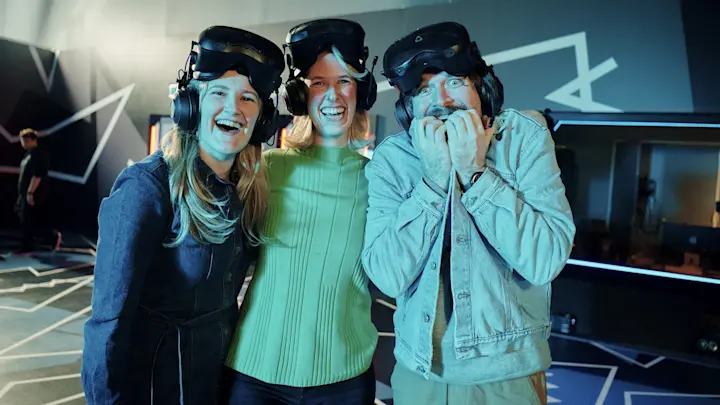
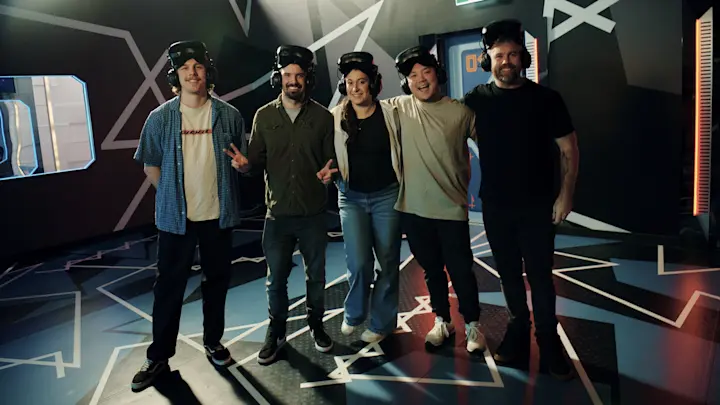
Haunted works best with a group of up to 8. The more of you there are, the more chances the house has to try and split you up, which is exactly the point. Smaller groups can still play, they'll just find the house has fewer places to hide you from each other.
What equipment is used?
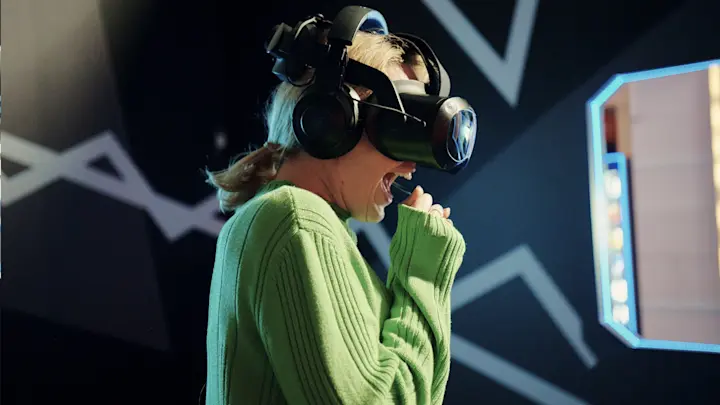
Custom-built VR headsets designed for intense, immersive gameplay.
Wireless, free-roam setup—no cables or tethers.
High-definition visuals, spatial audio, and motion tracking to fully immerse you in the experience.
Are there age restrictions?
Age requirements vary slightly by venue, so it's worth checking with your local Zero Latency location directly before booking. As a horror experience with sustained tension, jump scares and disorientation, Haunted is generally better suited to older kids, teens and adults rather than very young children.
Where can I play Haunted?
Haunted is available at Zero Latency venues across the globe, offering an immersive and thrilling VR experience for players of all levels. To find the nearest Zero Latency venue offering this experience, see all of our venue locations here.
What happens if our group gets separated?
This is where Haunted gets interesting. The house is designed to split groups apart: doors that close behind just one person, corridors that seem to lead everyone but you somewhere else. If you're separated, you'll still be found, just not by anyone friendly. Staying close reduces it, but the house always finds a way in. It's part of the story, not a malfunction.
Is Haunted suitable if someone in our group gets motion sick?
Haunted is immersive, full-body VR, so you're physically walking rather than sitting still while a screen moves around you, which is generally easier on motion sensitivity than seated VR. That said, individual reactions vary, and the shifting environment and disorientation are part of the design. If anyone in your group is prone to motion sickness, it's worth mentioning to venue staff before you start.